
Photo details
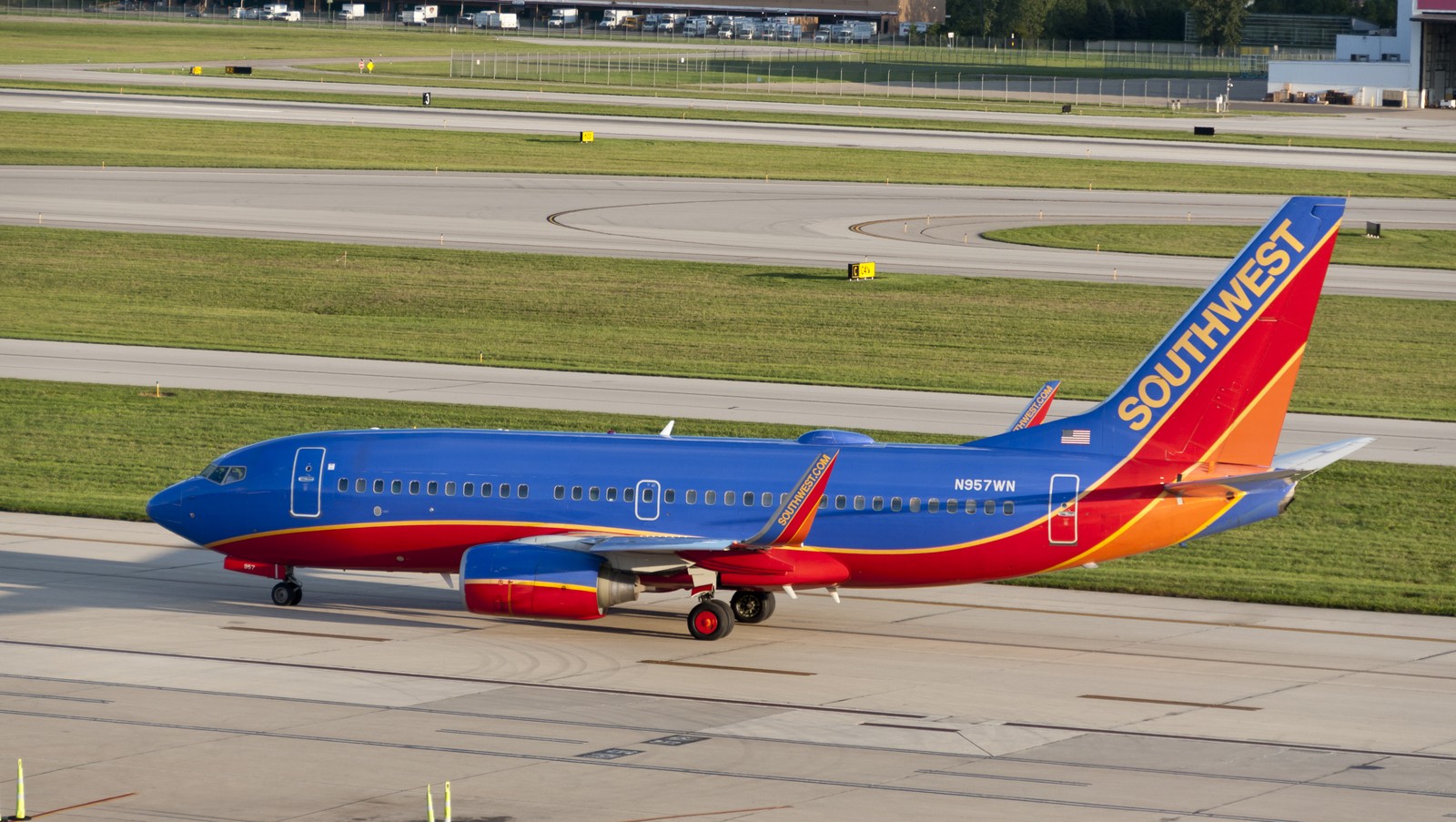
Contextual file photo of aircraft N957WN; the supplied evidence does not establish this airframe's inclusion in the directive or show an inspection. Credit: Sixflashphoto, own work, via Wikimedia Commons. License: CC BY-SA 4.0. Reuse requires attribution, a license link and identification of changes; adaptations must carry the same or a compatible license. Source: the linked source record Resized for publication; no scene content was added or removed.The Federal Aviation Administration has finalized AD 2026-20-14, a new directive requiring horizontal-stabilizer checks on specified Boeing 737 airplanes. Filed October 16 for publication in the October 19, 2026, Federal Register, the directive will take legal effect November 23.
Coverage is limited to Boeing 737-600, -700, -700C, -800, -900 and -900ER airplanes identified in the Boeing bulletin incorporated into the rule.
The FAA says multiple operators reported repeated nose-up and nose-down motion caused by excessive horizontal-stabilizer freeplay, or looseness. The agency warns that this condition could cause flutter, a vibration that can lead to loss of control.
The rule requires measuring freeplay at the stabilizer’s pivot hinges and jackscrew, along with applicable repeat checks and repair or replacement of worn parts.
The incorporated Boeing bulletin was not retrieved for this report, so configuration-specific inspection deadlines and prior-work credits have not been verified. Operators should consult the official final rule to review applicability and locate the incorporated compliance instructions.
Sources
Reported from public primary documents with AI assistance, independent source retrieval, and separate editorial reviews. No interviews, site visits or equipment tests were performed. Issuer statements retain attribution; announced plans are not completed results.
- S1: www.govinfo.gov — accessed 2026-10-18