
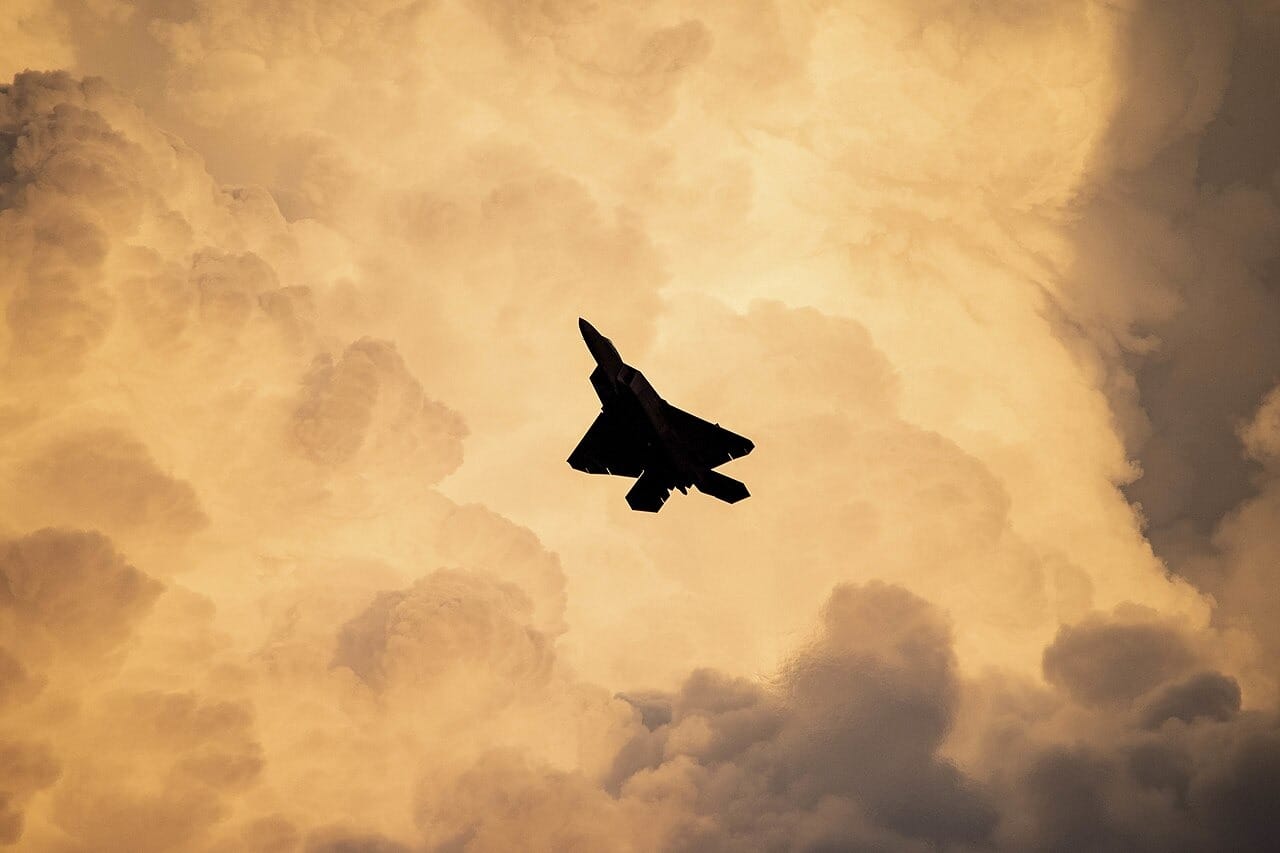

The first aircraft funded by the F-47 award were intended for evaluation. That detail defined the practical meaning of the Air Force’s March 21, 2025, selection of Boeing: the service was committing to develop and test its next air-superiority fighter, with initial production available through later contract options.
The award covered engineering and manufacturing development, the phase in which the program would mature, integrate and test the aircraft’s systems. The Air Force said it would produce a small number of test aircraft and included competitively priced options for low-rate initial production. Basing decisions and additional program elements remained for later years.
The new designation made a previously secretive effort more visible, but the engineering work had a history. DARPA disclosed that Boeing and Lockheed Martin had designed two experimental aircraft under its research contracts. They first flew in 2019 and 2022 and each accumulated several hundred flight hours. The agency traced that work to an air-dominance study begun in 2014.
Those experimental flights gave the government evidence about concepts and technology before choosing an operational-aircraft developer. They should not be confused with deliveries of the F-47 itself. The March award was the bridge from that risk-reduction work to an integrated aircraft intended for service.
The Air Force described the F-47 as the central crewed platform in its Next Generation Air Dominance family of systems. Boeing likewise emphasized its role within a wider set of capabilities. That framing matters because the desired effect—controlling contested airspace—depends on how aircraft, sensors and other elements operate together, as well as on the performance of one fighter.
Among the service’s stated development choices were digital engineering and a government-owned architecture. The intended benefit was to make new technology easier to integrate as requirements changed. In practical terms, adaptability was being treated as part of the aircraft’s usefulness over time, rather than a feature to be considered only after the initial design was finished.
Air Force Chief of Staff Gen. David Allvin also placed considerable weight on support requirements. In his accompanying statement, he said the F-47 would offer greater range, improved availability and less deployment manpower and infrastructure than existing fifth-generation fighters. He predicted lower cost than the F-22 and a larger eventual inventory. These were the service chief’s expectations; the announcement did not publish the detailed evidence needed to establish those comparisons independently.
For the people sustaining a future fleet, those promises are consequential. An aircraft’s reach depends partly on where it can be supported, and its operational value depends on how often it is available. The March decision therefore committed the program to an ambitious supportability proposition alongside its combat requirements.
Boeing said it had prepared through the largest investment in the history of its defense business. The award now gave that preparation a defined government task: build the test aircraft, integrate the systems and generate the evidence needed to carry a new fighter toward production.
Sources
- Air Force Awards Contract for Next Generation Air Dominance (NGAD) Platform, F-47 — Secretary of the Air Force Public Affairs · 2025-03-21.
- DARPA X-planes paved the way for the F-47 — DARPA · 2025-03-21.
- Statement by Chief of Staff of the Air Force Gen. David Allvin on the USAF NGAD Contract Award — U.S. Air Force · 2025-03-21.
- U.S. Air Force Selects Boeing for Next-Generation Air Dominance Fighter Platform — Boeing · 2025-03-21.