
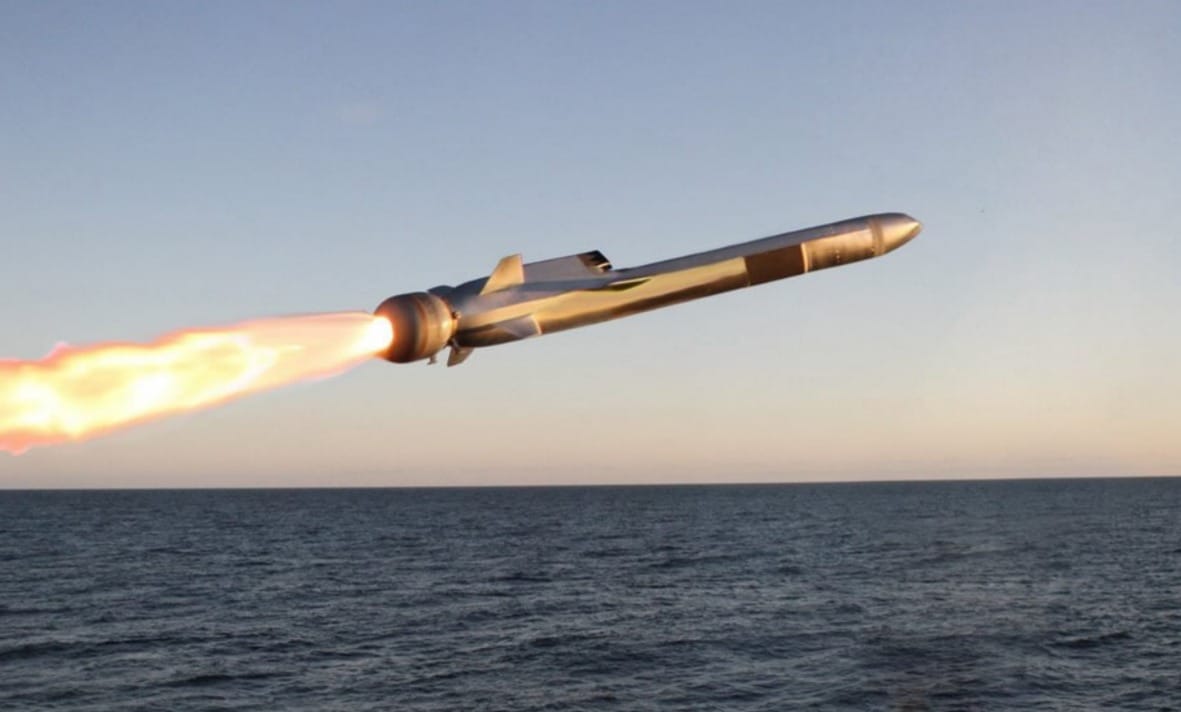

Australia’s new missile factory was meant to buy something an overseas order could not guarantee: a domestic place in the production queue. The government’s August 22, 2024 commitment of up to A$850 million to a partnership with Kongsberg Defence Australia paired local manufacturing with a deliberate effort to qualify Australian component suppliers.
The proposed Williamtown facility, near Newcastle, would manufacture and service Naval Strike Missiles and Joint Strike Missiles. The government forecast more than 500 construction jobs and approximately 100 ongoing factory positions. Those were expectations attached to a project still being established, rather than a count of people already producing missiles.
The weapons served related but different delivery platforms. NSM was replacing Harpoon aboard Australian surface combatants; HMAS Sydney had test-fired one in July 2024. JSM was intended for carriage by the F-35A. A common manufacturing-and-maintenance investment therefore supported both naval and air-launched strike plans, rather than a single ship class’s ammunition supply.
At an August 23 briefing, Defence Industry Minister Pat Conroy argued that local production would deliver missiles sooner than joining the existing global ordering queue. He forecast a full-rate capacity above 100 missiles annually. That was the government’s industrial case and planned capacity, not an independently demonstrated production rate.
The supply-chain discussion was more qualified than a promise of complete self-sufficiency. Kongsberg Defence Australia managing director John Fry described initial reliance on international components while Australian suppliers underwent qualification. Conroy acknowledged that some components would remain imported. The intended gain was greater local participation and another production location within an allied supply network.
The factory also would not contain every manufacturing step. Conroy said the NSM warhead and booster would be integrated on Defence land at Orchard Hills in western Sydney. That division of work mattered: the Newcastle investment depended on other facilities as well as suppliers. A single building could not by itself create a complete weapons-production system.
By December 6, Kongsberg reported a groundbreaking and the start of preparatory site works at Astra Aerolab, beside Newcastle Airport and RAAF Base Williamtown. Its release projected construction completion in mid-2026, missile manufacture from 2027 and a ramp to full-rate production by the end of 2028. The company said Australian requirements would take priority while the facility also supported wider demand. None of those future production dates was an achieved milestone in 2024.
A later official record further clarifies the procurement sequence. On March 28, 2025, Defence announced the factory-establishment contract and explicitly identified it as implementation of the August 2024 announcement. The original commitment, site preparation, contract and eventual qualified output were distinct steps.
For Australia, the 2024 decision set a direction for industrial capability: assemble and maintain missiles locally, develop more domestic sources, and retain cooperation with the Norwegian designer. Its promised resilience would depend on executing all three, rather than treating the investment announcement as missiles already added to a stockpile.
Sources
- Albanese Government investment to boost Long-Range Strike for ADF and deliver jobs for Hunter Region — Australian Defence Ministers · 2024-08-22.
- Press Conference, RAAF Base Williamtown — Australian Defence Ministers · 2024-08-23.
- Ground Breaking for KONGSBERG’s Missile Manufacturing and Maintenance Facility in Newcastle — Kongsberg · 2024-12-06.
- Contract signed to establish Australia’s first missile factory — Australian Department of Defence · 2025-03-28.