

Photo details
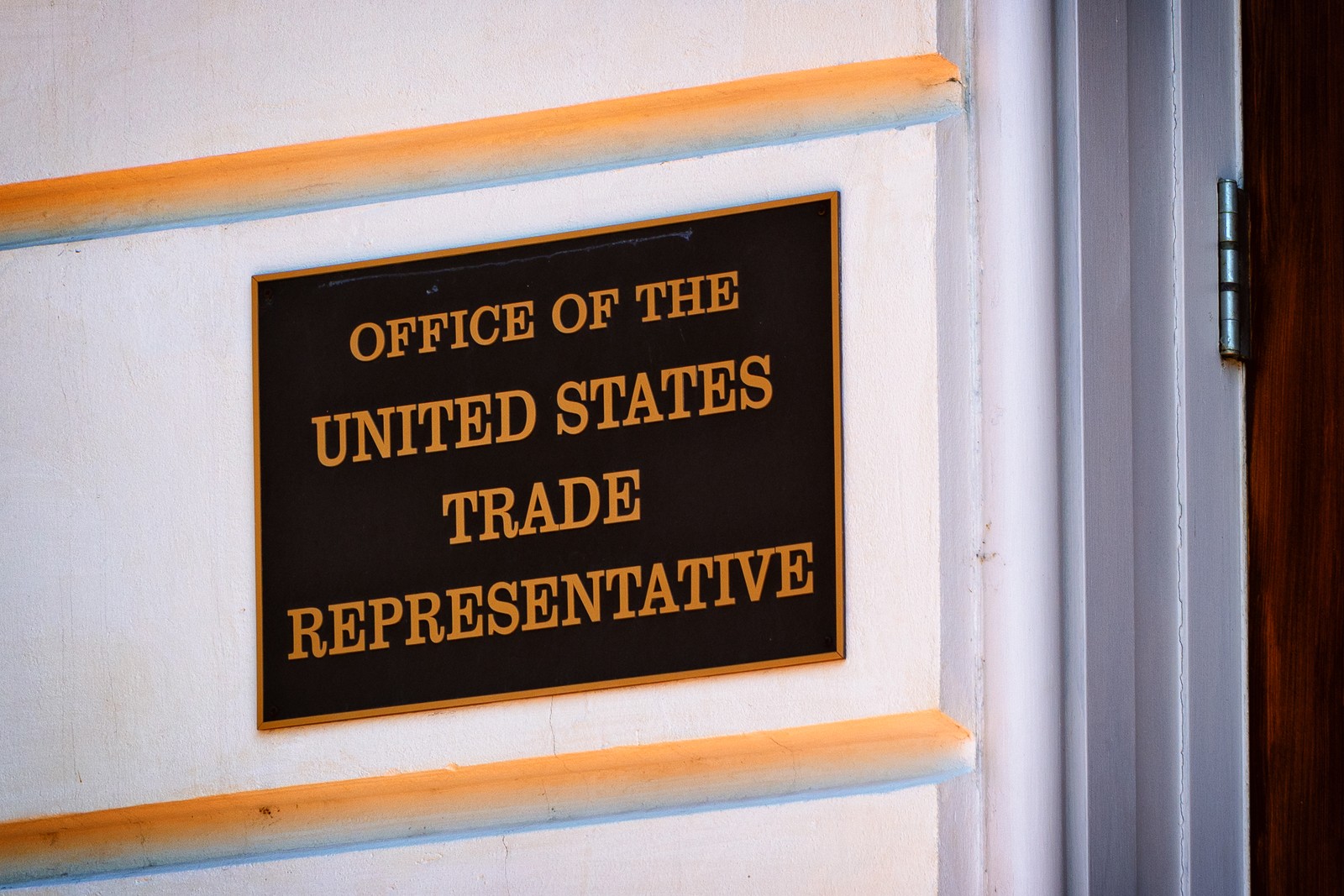
File photo of USTR signage, taken before the current announcement. Photo by Tony Webster, the linked source record. Licensed under CC BY 2.0: CC BY 2.0. The supplied image has been resized from the original.The Office of the U.S. Trade Representative extended the suspension of its Section 301 maritime trade measures for two months, effective November 9. The measures remain suspended through 11:59 p.m. Eastern time on January 9, 2027. USTR said the extension allows further talks with China on the issues raised in its investigation of China’s maritime, logistics and shipbuilding sectors.
During the suspension, no party accrues liability for or must pay the covered maritime transport service fees. The original action included fees on services of Chinese operators and shipowners, operators using Chinese-built vessels and operators of foreign-built vehicle carriers. It also included restrictions on certain maritime transport of U.S. liquefied natural gas. Subsequent modifications and exceptions govern the scope of the measures; other shipping charges are not necessarily suspended.
The pause also covers specified additional duties on ship-to-shore cranes and other cargo-handling equipment of China. It does not eliminate all duties on such equipment. The notice changes the relevant tariff-schedule dates from November 10, 2026, to January 10, 2027.
USTR says it will consider whether to extend the suspension or take further action before January 10. Affected businesses should watch for that decision; the notice leaves the next step open.
Sources
Reported from public primary documents with AI assistance, independent source retrieval, and separate editorial reviews. No interviews, site visits or equipment tests were performed. Issuer statements retain attribution; announced plans are not completed results.
- S1: www.ustr.gov — accessed 2026-11-10
- S2: public-inspection.federalregister.gov — accessed 2026-11-10
- S3: www.govinfo.gov — accessed 2026-11-10
- S4: ustr.gov — accessed 2026-11-10