
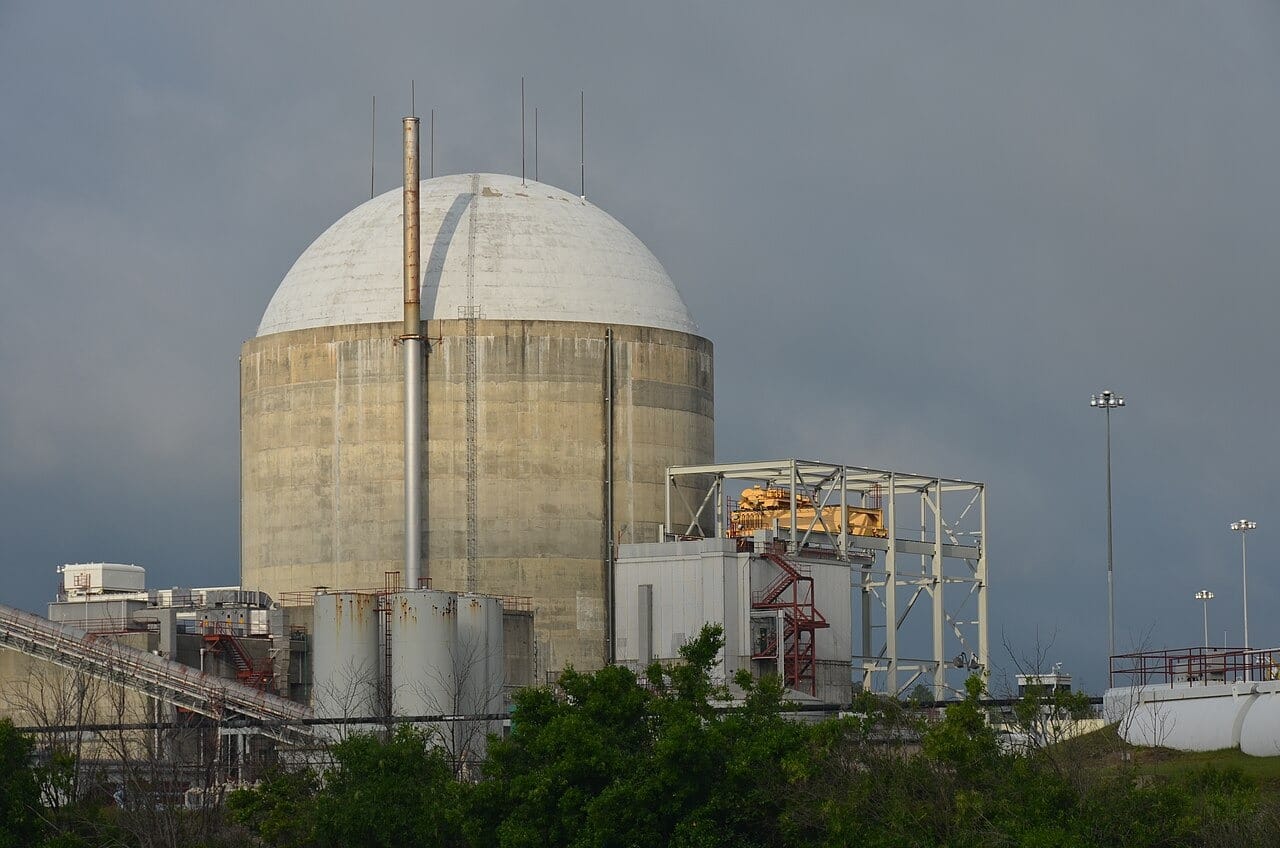

The Nuclear Regulatory Commission issued a second license renewal for H.B. Robinson Unit 2 on April 23, allowing Duke Energy’s South Carolina reactor to operate through 2050.
The decision extended the previous 2030 expiration for the Hartsville plant. Duke describes Robinson as a 759-megawatt generating asset. Renewal preserves the option to keep using that existing capacity; it does not add a new 759-megawatt plant to the grid.
The Federal Register notice confirms that the license was issued, rather than merely submitted for review. It also identifies the environmental review supporting the decision.
What the additional twenty years require
Robinson’s original 40-year license dates to 1970. One 20-year renewal extended potential operation to 60 years; the second extends it to 80. NRC calls that second extension subsequent license renewal.
The regulator explains that the original 40-year license term reflected economic and antitrust considerations, rather than a universal physical expiration date for nuclear technology. But some components and structures were engineered around that expected service life.
Extending operation therefore requires analysis of aging and programs to monitor and manage its effects. NRC’s guidance covers reactor parts exposed to radiation, concrete structures, piping and electrical cables, among other items.
The essential engineering question is how those components will continue to perform their required functions as service accumulates. Permission to operate longer depends on maintaining the plant’s licensing basis throughout that period.
Past investment and future operation
Duke said it had completed $1.7 billion in equipment upgrades at Robinson. That is a report of past investment, not the projected cost of operating through 2050.
The company also promoted customer savings from renewal, but its announcement did not supply a plant-specific calculation establishing their size. Whether continued operation remains an attractive choice will depend on plant performance, maintenance costs and the alternatives available to planners.
The license gives those planners a longer horizon. The work underlying it remains physical and recurring: inspect the structures, monitor degradation, maintain equipment and carry out the aging-management programs that support the additional years.
Sources
- H.B. Robinson Steam Electric Plant, Unit 2; Subsequent License Renewal and Record of Decision — Nuclear Regulatory Commission / Federal Register · 2026-04-28.
- Robinson Nuclear Plant receives approval to continue operating until 2050 — Duke Energy · 2026-04-23.
- Backgrounder on Subsequent License Renewal — Nuclear Regulatory Commission.