
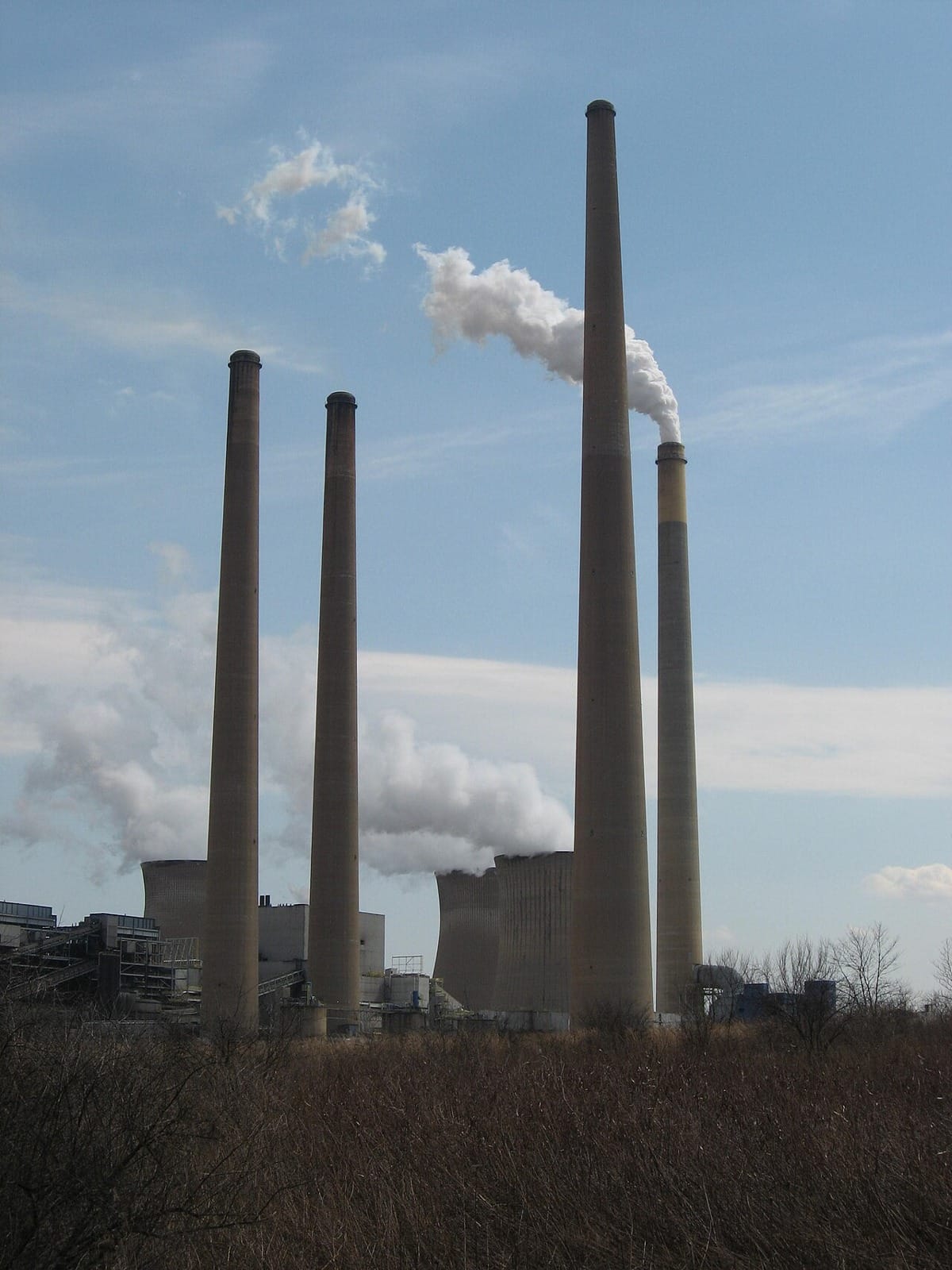

Retiring a power plant does not erase its connection to the electric grid. Pennsylvania received $2 million in federal funding in February to investigate whether twenty underused interconnection points could support redevelopment—and what work would be required to make them useful again.
The Pennsylvania Transmission and Energy Redevelopment study brings together the state Public Utility Commission, Team Pennsylvania and the state administration. It will assess retired power sites and map high-voltage infrastructure that may need replacement or upgrades. DOE announced the award February 3; the Pennsylvania partners described the study February 19.
The attraction is the infrastructure already in place. A former generating site may offer a starting point for connecting new energy facilities or serving large electricity users. But an old connection is not proof that a new project can use the same capacity under different operating conditions. The study is intended to identify where reuse makes technical and economic sense.
At announcement, the partners expected an initial phase around midyear and a second by year-end. Those were delivery expectations, rather than findings about how many megawatts the sites could accommodate.
Pennsylvania’s award was part of a $2.5 million DOE package. The other project, led by Johns Hopkins University, examines technologies that could increase the usefulness of existing transmission across the PJM region, which covers parts of thirteen states and the District of Columbia. Its scope includes dynamic line ratings, power-flow controls and higher-performance conductors.
Dynamic ratings illustrate how a line can have usable headroom without acquiring another set of towers. Electric current heats a conductor; local wind and air temperature affect how quickly it cools. Conventional ratings use conservative assumptions. Measurements of actual conditions can support a rating that changes with the weather, while respecting temperature and sag limits, according to Idaho National Laboratory.
That is a different task from studying a retired plant’s connection, but the two awards share a practical starting point: examine existing equipment before deciding where construction is necessary. Pennsylvania’s study must locate the promising connections; the regional work must establish when, and by how much, particular technologies can improve the lines that link them.
Sources
- Energy Department Awards $2.5M to Accelerate Transmission — U.S. Department of Energy · 2026-02-03.
- PA PUC, Team Pennsylvania, and Shapiro Administration Partner on Transmission and Energy Redevelopment Study — Team Pennsylvania · 2026-02-19.
- Dynamic Line Rating — Idaho National Laboratory.