
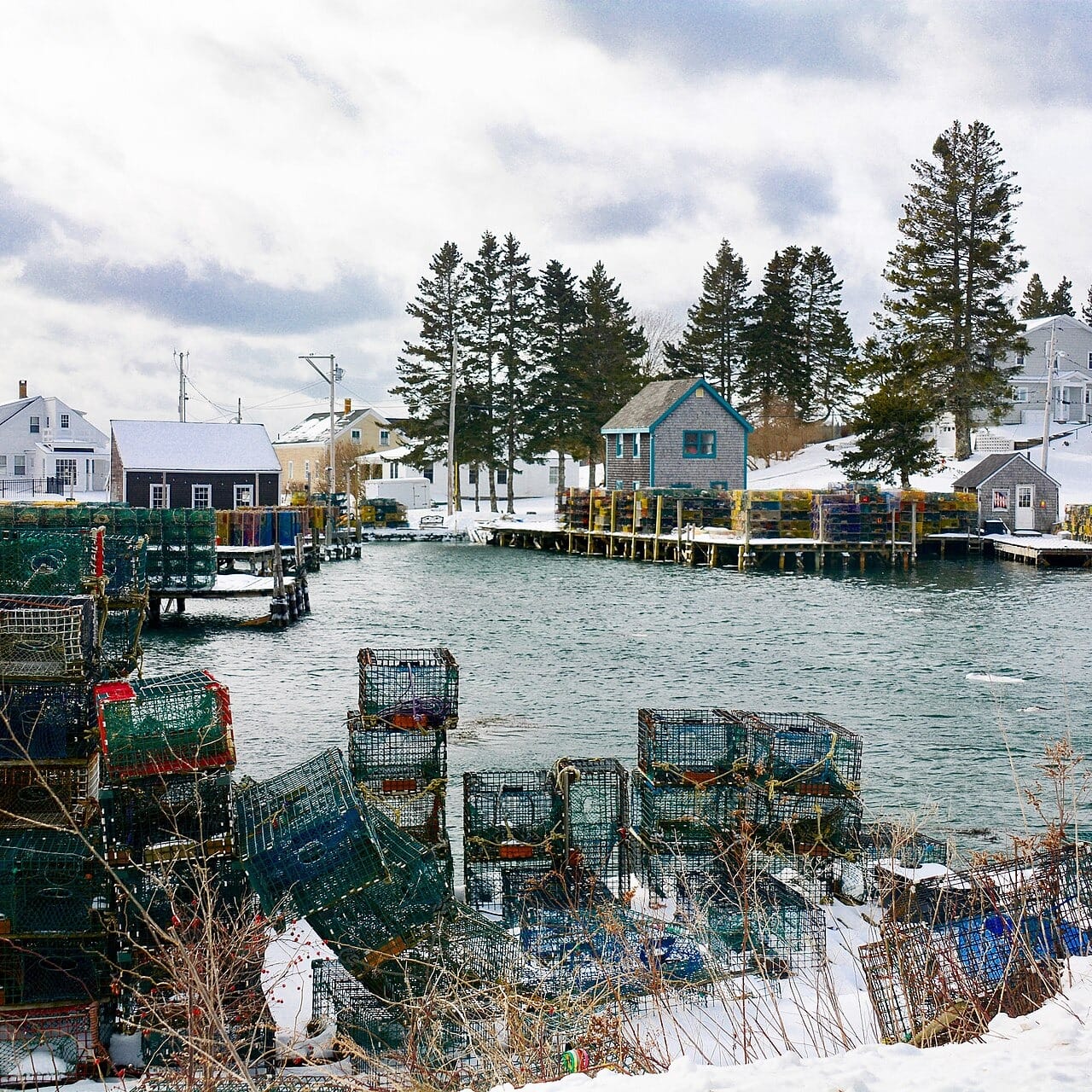

Smaller ports had a defined place in the Maritime Administration’s 2026 infrastructure competition: at least $122.157 million was reserved for small projects at small ports.
The set-aside represented one-quarter of the $488.628 million funding round announced March 26. The Port Infrastructure Development Program supported work to improve cargo movement and port operations. The announcement offered competitive funding, rather than naming projects already selected for construction.
“Small” had a precise meaning. Under the amended notice, a small port handled an average of less than 8 million short tons annually during the preceding three calendar years, using Army Corps of Engineers data or a suitable independent audit. A qualifying small project requested no more than $11.25 million.
That definition tied access to cargo records and the requested award. It did not depend on whether the port served a small town or appeared modest beside a major container terminal.
The amended funding notice set a June 1, 2026, deadline at 11:59:59 p.m. Eastern Daylight Time. The March press release displayed June 27, but the amended notice governed the competition. Both dates have passed.
A grant still needs a cash-flow plan
MARAD’s program FAQ identified a second distinction with practical consequences. Eligible small projects or rural projects could request a waiver of the usual 20 percent nonfederal share. But even a higher federal contribution would not necessarily pay a contractor’s invoice immediately.
The program generally reimbursed recipients after they paid eligible expenses. MARAD told applicants to assume reimbursement when preparing applications. Advances could be considered in special circumstances after selection, rather than counted on at the outset.
A port could therefore reduce its local funding burden while still needing cash to cover work before repayment. For an organization with limited reserves, that interval belongs in the project’s financing plan.
Sources
- Trump’s Transportation Department Announces Nearly Half a Billion Investment into America’s Ports to Restore Maritime Dominance — Maritime Administration · 2026-03-26.
- FY 2026 Notice of Funding Opportunity: Port Infrastructure Development Program, Amendment No. 5 — Maritime Administration.
- Frequently Asked Questions – Port Infrastructure Development Grants — Maritime Administration.